
How Should a Bra Fit? A Complete Guide to Band, Cups and Straps
How should a bra fit? A well-fitting bra should feel comfortable, provide appropriate support, and stay reasonably secure during normal movement. The band, cups, straps, and overall shape of the bra should work together rather than putting too much pressure on one area.
Finding the right fit is not always about choosing a particular size number or cup letter. Bra sizing can vary between brands and styles, and your body can change over time. Learning how to check the band, cups, straps, and overall comfort can help you decide whether a bra fits properly.
What Does a Well-Fitting Bra Look Like?
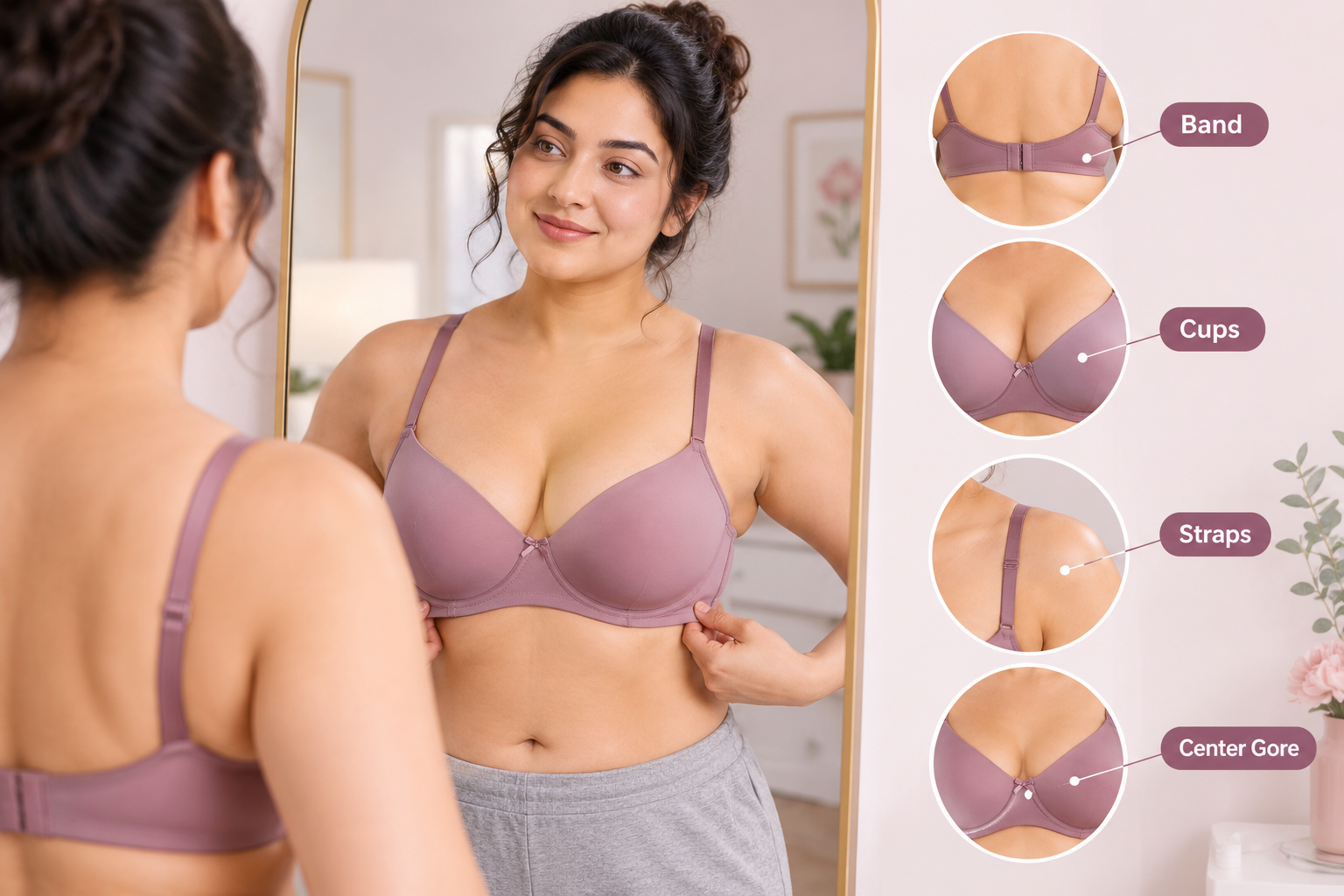
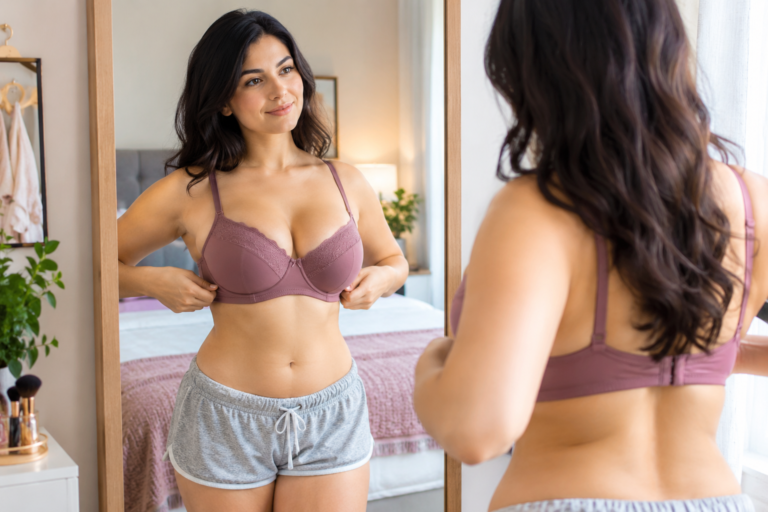
A well-fitting bra should feel comfortable while providing the support you need. The band should stay reasonably level around your body, the cups should contain your breast tissue without excessive gaps or spilling, and the straps should feel secure without digging into your shoulders.
A good fit should also allow you to move normally without constantly adjusting the bra. Because breast shape, bra design, and sizing can vary, there is no single fit that looks exactly the same on every person. The goal is to find a bra that feels comfortable and works well for your body.
How Should the Bra Band Fit?
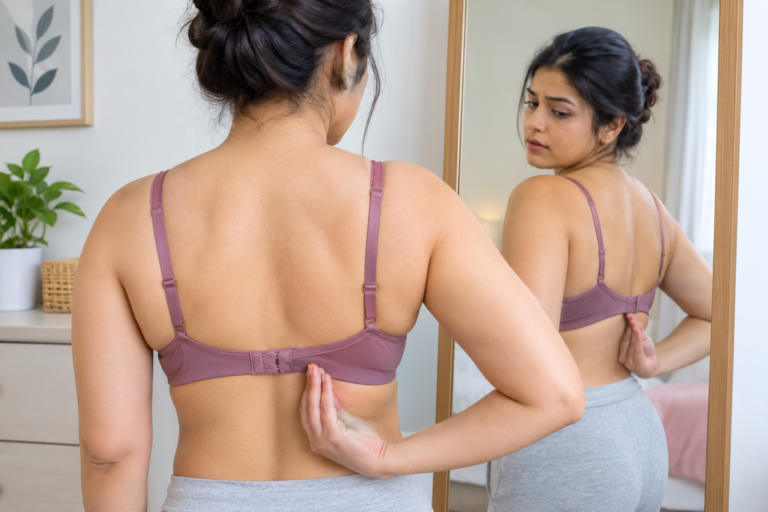
The band is one of the most important parts of a bra because it provides much of the support. It should feel snug around your ribcage without feeling painfully tight or restrictive. When you look in a mirror, the band should stay reasonably level around your body rather than riding up at the back.
You should be able to slide one or two fingers comfortably underneath the band. If the band feels very loose, moves around easily, or repeatedly rides up during normal movement, it may not be providing enough support. On the other hand, if it feels uncomfortably tight or causes significant pressure, you may need to recheck your size or try a different bra style.
How Should the Bra Cups Fit?
The cups should comfortably contain your breast tissue without creating excessive gaps, wrinkles, or spilling. The cup edge should sit smoothly against your skin, and your breasts should not bulge noticeably over the top or sides of the cup.
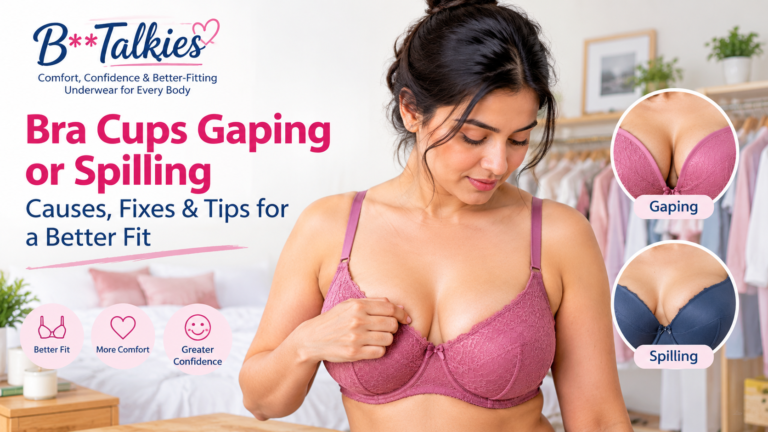
If the cups are gaping, the cup may be too large, the shape may not match your breast shape, or the bra may need adjustment. If your breasts are spilling over the top or sides, the cups may not provide enough room or coverage. Checking the cups together with the band can help you understand whether the overall fit is right.
How Should Bra Straps Fit?
Bra straps should feel secure without digging into your shoulders, slipping off, or putting most of the support on your shoulders. The straps help with fit and adjustment, but the band should provide much of the bra’s main support.
If your straps leave deep marks, feel painful, or need to be tightened excessively to keep the cups in place, check the band and cup fit as well. If the straps keep slipping off your shoulders, the adjustment, strap position, bra style, or overall fit may need attention.
How Should the Center Gore Fit?
The center gore is the part of the bra that sits between the cups at the front of your chest. In many bra styles, it should sit comfortably against your chest without causing painful pressure or feeling unstable.
If the center gore does not sit as expected, check the overall cup and band fit as well. Breast shape and bra design can affect how the center gore sits, so it is important to consider the complete fit rather than judging the bra by this area alone.
How Should a Bra Fit When You Move?
A bra should remain reasonably secure and comfortable when you move normally. Raise your arms, bend forward, stretch, and turn your body gently to see whether the band, cups, and straps stay in place. You should not need to keep adjusting the bra throughout these movements.
If the band rides up, the cups shift, the straps slip, or breast tissue moves out of the cups during normal movement, the bra may need adjustment or may not be the right size or style. Checking the fit while moving can give you a better idea of how the bra will feel during everyday activities.
Common Signs Your Bra Does Not Fit Properly
Even when a bra looks fine at first, certain signs can show that the fit needs attention. Checking these signs can help you identify whether the problem is related to the band, cups, straps, or overall bra design.
1. The Band Rides Up at the Back
If the back of the band repeatedly moves upward during the day, the band may be too loose or may not be providing enough support.
2. The Cups Gap or Wrinkle
Visible gaps, wrinkles, or empty space in the cups can indicate that the cup size or shape does not match your breast shape properly.
3. The Cups Spill Over
If breast tissue spills noticeably over the top or sides of the cups, the cups may not provide enough room or coverage.
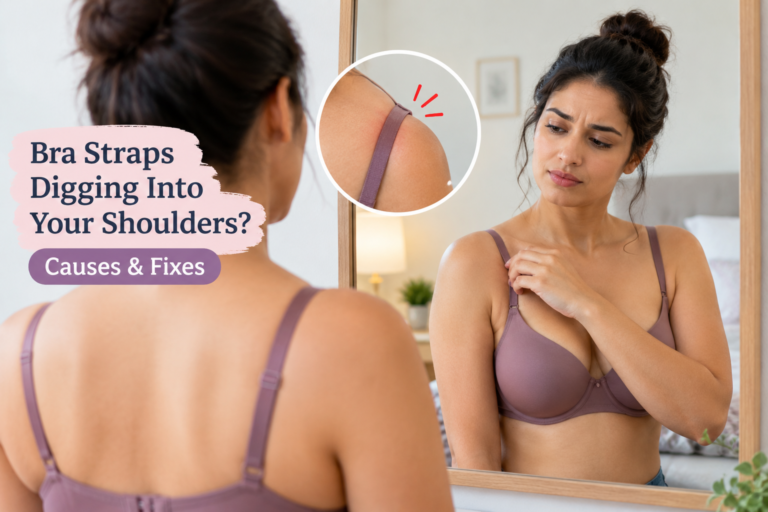
4. The Straps Dig Into Your Shoulders
Straps that constantly dig into your shoulders may be adjusted too tightly, or the band may not be providing enough support.
5. The Straps Keep Slipping
Straps that repeatedly fall off your shoulders can be caused by adjustment, strap placement, bra style, or an overall fit issue.
6. The Bra Feels Uncomfortable
Persistent pressure, pinching, rubbing, or discomfort is a sign that the bra may need adjustment or may not be the right size or style for you.
How to Check Your Bra Fit at Home
After putting on a bra, you can check several areas to see whether it fits properly. Look at the band, cups, straps, and overall comfort together rather than focusing on only one area.
1. Check the Band
The band should feel snug and stay reasonably level around your body. It should not repeatedly ride up at the back or cause uncomfortable pressure.
2. Check the Cups
The cups should contain your breast tissue comfortably without noticeable spilling, large gaps, or excessive wrinkles.
3. Check the Straps
The straps should stay comfortably in place without digging into your shoulders or repeatedly slipping off.
4. Check the Center Gore
If your bra has a center gore, check that it sits comfortably between the cups without causing painful pressure or feeling unstable.
5. Move Around and Check Comfort
Raise your arms, bend, stretch, and move normally. The bra should remain reasonably secure without requiring constant adjustment or causing persistent discomfort.
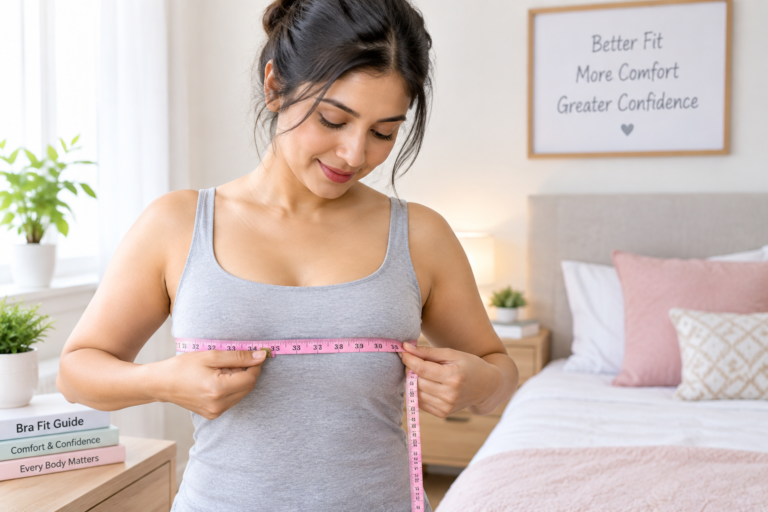
If you need to measure your bra size before checking the fit, read our guide on How to Measure Your Bra Size at Home: A Simple Step-by-Step Guide.
What to Do If Your Bra Does Not Fit Properly
If your bra does not fit properly, start by identifying which part of the fit is causing the problem. The band, cups, straps, and bra style can all affect how a bra feels and performs. Making a small adjustment may help, but persistent fit problems may mean you need to recheck your size or try a different style.
1. Adjust the Straps
If the straps feel too tight or keep slipping, adjust them gradually until they feel secure and comfortable. Avoid tightening them excessively to compensate for a loose or poorly fitting band.
2. Check the Band
If the band rides up or feels too loose, recheck how it fits around your ribcage. The band should provide much of the bra’s support and remain reasonably level during normal movement.
3. Check the Cup Fit
If the cups gape, wrinkle, or spill, check whether the cup size, cup shape, or overall bra style may be contributing to the problem.
4. Recheck Your Bra Size
If the bra still does not fit comfortably after reasonable adjustments, consider taking your measurements again. Changes in your body or differences between brands can affect the size that works best for you.
5. Try a Different Bra Style
Sometimes the size is not the only issue. Different bra styles and cup shapes can fit differently, so trying another style may provide a more comfortable fit.
When Should You Recheck Your Bra Size?
Your bra size can change over time as your body changes. Weight changes, pregnancy, breastfeeding, hormonal changes, and other changes in your body can affect how your bra fits. A bra that once felt comfortable may not always fit the same way later.
If your bras suddenly feel too tight, too loose, uncomfortable, or difficult to keep in place, it may be worth taking your measurements again. You can then compare your measurements with the brand’s size guide and use them as a starting point when choosing a bra.
If you are unsure how to take your measurements, read our guide on How to Measure Your Bra Size at Home: A Simple Step-by-Step Guide.
Final Thoughts
Knowing how a bra should fit can help you make better choices when buying and wearing bras. A comfortable fit usually involves a supportive band, cups that contain your breast tissue properly, straps that stay comfortably in place, and an overall fit that allows normal movement without constant adjustment.
Remember that bra sizing can vary between brands, styles, and sizing systems. Use your measurements as a starting point, but pay attention to how the bra actually feels and fits on your body. Comfort, support, and a secure fit are important when deciding whether a bra is right for you.
One Comment