Best Plus Size Bras: How to Choose the Right Fit, Support and Style
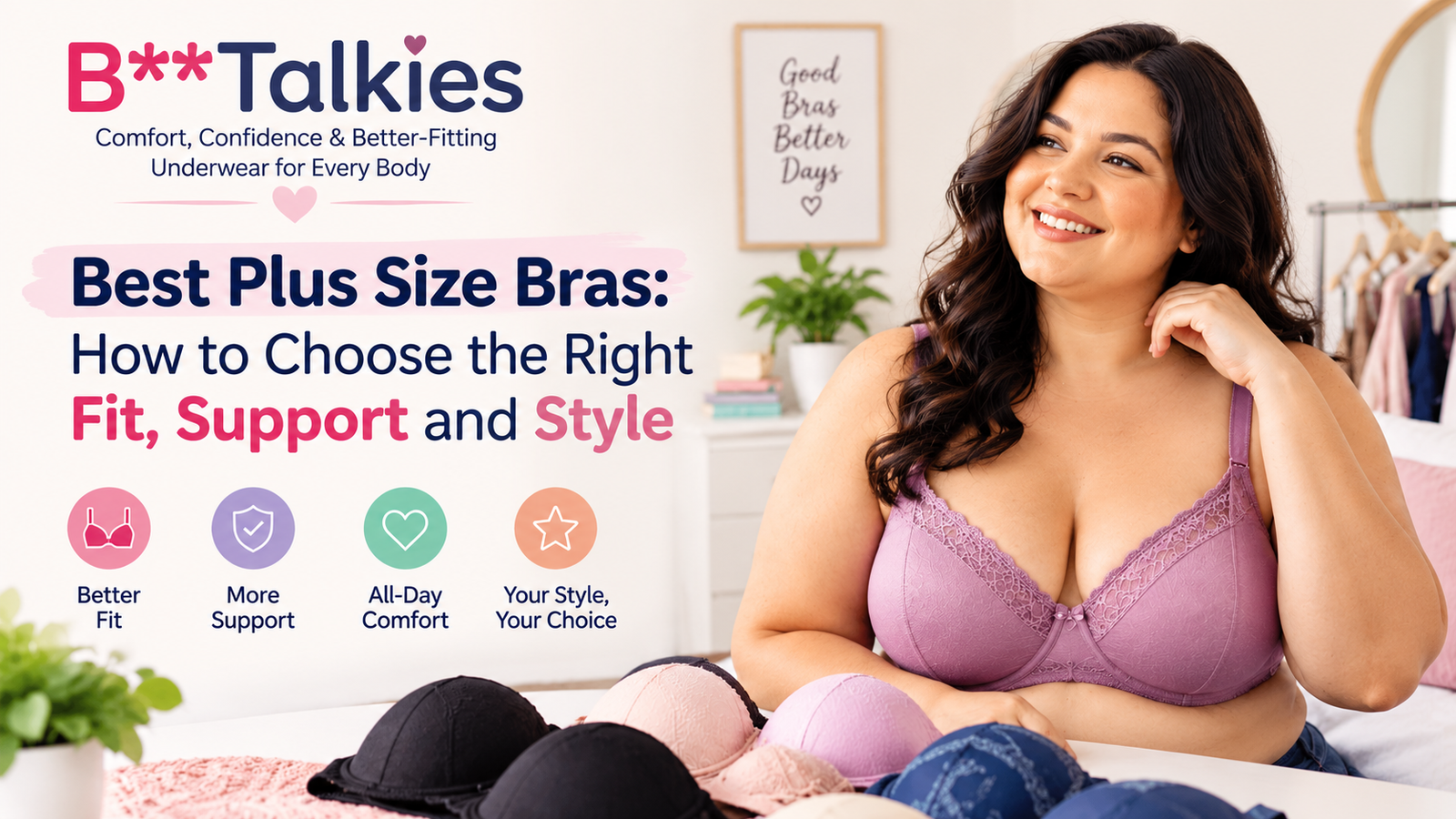
Finding the best plus size bras is not simply about choosing a larger size. A good bra should feel comfortable, provide the support you need, fit your body properly, and work well with the clothes and activities you wear it for.
For many women, finding the right bra can take some trial and error. Band size, cup shape, coverage, straps, construction, and even the type of clothing you wear can all affect how a bra feels and performs.
The good news is that you do not have to choose a bra based only on its size label. By understanding what to look for, you can make more confident choices and find bras that offer a better combination of comfort, support, and fit.
What Makes the Best Plus Size Bras a Good Choice?
The best plus size bras are not necessarily the most expensive or the most heavily structured. The right choice depends on your body, your preferred level of support, and how you plan to wear the bra.
Here are some of the most important features to consider.
A Secure and Comfortable Band in Plus Size Bras
The band is one of the most important parts of a supportive bra because it provides much of the overall support.
A good band should feel secure without feeling painfully tight. It should sit level around your body and should not constantly ride up at the back.
When trying on a new bra, fasten it on the loosest hook when possible. A properly fitting bra should feel supportive without requiring you to pull the band extremely tight.
If the band rides up, feels unstable, or becomes uncomfortable during normal movement, the size or fit may not be right. If you need more guidance, read our article on finding a supportive bra for large breasts.
Cups That Fit Properly
The cups should contain your breast tissue without excessive spilling, gaping, or uncomfortable pressure.
A good cup fit should look relatively smooth without creating obvious bulges along the top or sides. At the same time, there should not be a large amount of empty space inside the cups.
Cup shape is also important. Two bras with the same labeled size can fit differently because their cup shapes, coverage, and construction are not identical.
This is why trying different styles can sometimes make a bigger difference than simply changing the size. For more guidance, read our guide on How Should a Bra Fit? A Complete Guide to Band, Cups and Straps.
Supportive Straps
Bra straps should help keep the cups positioned correctly, but they should not be doing all the work.
If straps are constantly digging into your shoulders, you may need to adjust them or reconsider the overall fit of the bra. A supportive band should carry much of the support rather than forcing you to tighten the straps excessively.
Wider straps may also feel more comfortable for some women, particularly when wearing a bra for longer periods.
Comfortable Construction
Pay attention to the materials and construction of the bra.
Seams, elastic, underwire, hooks, padding, and other structural elements can affect how comfortable a bra feels throughout the day.
For everyday wear, you may prefer a soft and flexible design. For occasions when you need more shaping or support, a more structured bra may work better.
The best choice is the one that provides the support you need without creating unnecessary discomfort.
A Size Range That Actually Works for You
A bra may be described as plus size, but that does not automatically mean it will fit every plus-size body well.
Look at the actual band and cup sizes offered rather than relying only on a general description.
It is also worth remembering that sizing can vary between brands and styles. A size that fits well in one bra may not feel exactly the same in another.
For this reason, checking the specific brand’s size information can be helpful when shopping online.
How to Choose the Best Plus Size Bra for Your Needs
There is no single bra that will be the best choice for every woman. Your ideal bra depends on your size, body shape, lifestyle, clothing, and preferred level of support.
Start With the Right Size
Before choosing a particular style, start by making sure you have a reasonable idea of your current bra size.
Body measurements can change over time, and the size you wore previously may no longer provide the best fit.
When measuring yourself, use accurate band and bust measurements and then check how the resulting size fits on your body.
Remember that a size label is only a starting point. The actual fit matters more than the number or letter printed on the tag. For step-by-step measuring instructions, visit our Bra Size Guide.
Think About the Level of Support You Want
Different situations call for different levels of support.
For everyday activities, you may want a bra that provides steady support while remaining comfortable for long periods.
For exercise, you will generally need a design that is specifically intended to control movement and provide additional support.
For special occasions or particular outfits, shaping and appearance may be more important than they are for everyday wear.
Think about when you will wear the bra before deciding which style is right for you.
Consider Coverage and Cup Shape
Coverage is another important factor.
Some women prefer full coverage because it provides a more secure feeling and can help contain more breast tissue. Others may prefer lower coverage depending on their clothing and personal preference.
Cup shape also matters. A bra can be technically the correct size but still feel uncomfortable if the cup shape does not work well with your breast shape.
If you frequently experience gaping or spilling, trying a different cup shape or style may be more useful than simply choosing a different size.
Choose Features That Match Your Daily Wear
Think about your usual clothing and activities.
If you wear fitted tops frequently, a smooth T-shirt bra may be useful. If you spend long periods sitting or working, comfort may be your highest priority.
If you exercise regularly, consider a sports bra designed for the level of movement involved.
Choosing a bra based on how you actually live can help you build a more useful and comfortable bra collection.
Best Plus Size Bra Styles to Consider
Different bra styles solve different problems. Instead of searching for one universal “best” bra, consider which styles match your needs.
Full Coverage Bras
Full coverage bras provide more coverage over the bust and can be a useful choice when you want a secure, contained fit.
They may work particularly well for everyday wear, work clothing, or situations where you prefer more coverage.
However, full coverage does not automatically mean better fit. The cups should still contain the bust comfortably without spilling or gaping.
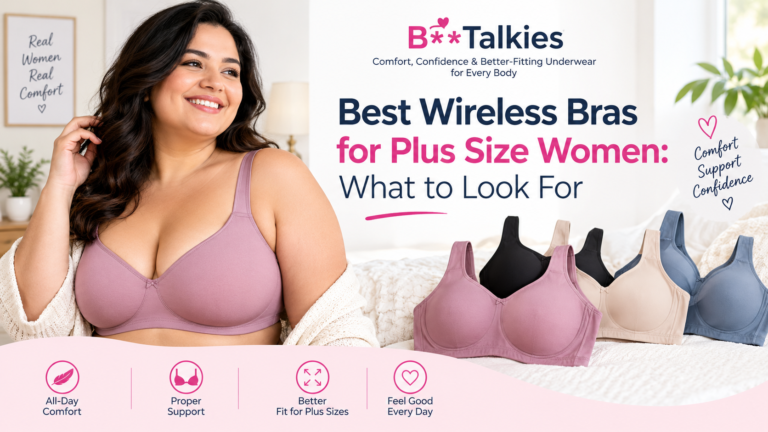
Wireless Bras
Wireless bras do not use traditional underwire and are often chosen for comfort and flexibility.
They can be a good option for relaxed everyday wear, especially if you prefer a softer feel.
However, wireless does not necessarily mean low support. The amount of support depends on the band, fabric, cup construction, and overall design.
Underwire Bras
Underwire bras use a wire beneath the cups to provide additional structure and shaping.
A well-fitting underwire bra can offer excellent support, but the wire should sit comfortably around the breast tissue rather than pressing into it.
If an underwire constantly hurts, pinches, or sits on breast tissue, the issue may be related to the size, cup shape, or bra design.
T-Shirt Bras
T-shirt bras are designed to create a smooth appearance underneath fitted clothing.
They often have smooth or molded cups that reduce the visibility of seams and texture through clothing.
They can be particularly useful for everyday outfits when you want a clean, understated look.
Minimizer Bras
Minimizer bras are designed to distribute breast tissue in a way that can create a more streamlined appearance under clothing.
They may appeal to women who prefer a less projected look or want certain tops and shirts to fit differently.
However, a minimizer bra should still fit comfortably and provide adequate support. The goal should be a comfortable fit rather than simply making the bust appear smaller.
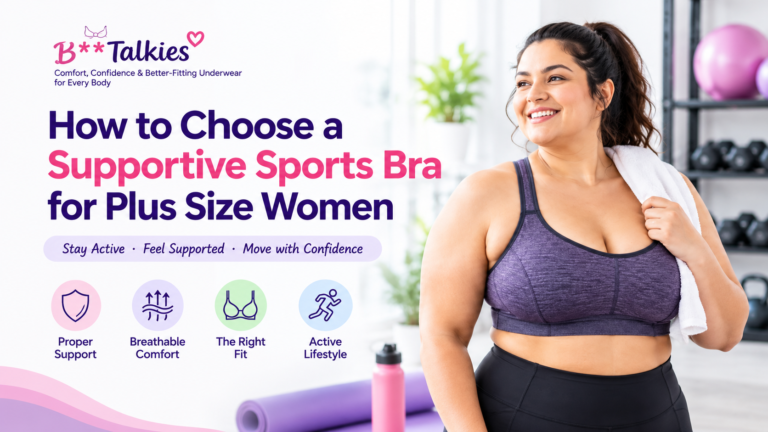
Sports Bras
Sports bras are designed for physical activity and are intended to reduce breast movement during exercise.
The right level of support depends on the activity. Walking and light exercise may require less support than running, jumping, or high-impact workouts.
For plus-size women, paying attention to band stability, cup coverage, straps, and overall comfort can be especially important when choosing a sports bra.
How Should a Plus Size Bra Fit?
Once you have chosen a style, the next step is checking whether the actual fit works for your body.
The Band Should Stay in Place
The band should remain relatively level around your body when you move.
If it repeatedly rides up your back, feels loose, or shifts significantly during normal activity, the fit may need to be reconsidered.
A secure band should feel supportive without creating painful pressure.
The Cups Should Contain the Bust
The cups should contain your breast tissue without obvious spilling over the top or sides.
At the same time, there should not be excessive empty space inside the cups.
After putting on the bra, gently adjust your breast tissue into the cups and then check the fit again. This simple step can sometimes make a noticeable difference.
The Straps Should Feel Comfortable
Straps should stay in place without constantly falling down or digging into your shoulders.
Avoid tightening them excessively to compensate for a loose band. If you need to pull the straps very tight to feel supported, check the overall fit of the bra.
The Center Gore and Underwire Should Sit Properly
For an underwire bra, the center gore—the section between the cups—should sit comfortably against your body when the bra’s design is intended to do so.
The underwire should surround the breast tissue rather than sitting directly on it.
If the gore or wire causes persistent pressure or pain, consider trying another size, cup shape, or bra style.
Common Problems With Plus Size Bras
Understanding common fit problems can make it easier to identify what needs to change.
The Band Rides Up
A band that moves upward at the back may indicate that it is too loose or that the overall fit is not providing enough support.
The straps should not be tightened excessively to solve this problem. Start by checking the band and overall size.
The Straps Dig Into Your Shoulders
Straps that leave deep marks or cause discomfort may be carrying too much of the support.
Check whether the band is providing enough support and whether the straps are adjusted correctly.
A different strap width or bra construction may also feel more comfortable
The Cups Spill or Gap
Breast tissue spilling over the top or sides usually means the cup does not provide enough space or the shape is not suitable.
Gapping can have the opposite appearance, but it does not always mean the cup is simply too large. Cup shape, breast shape, and bra construction can all contribute to gaping.
The Underwire Feels Uncomfortable
Underwire discomfort can happen for several reasons, including an unsuitable size, incorrect cup shape, or a wire that does not sit in the right position.
You should not have to tolerate persistent pain simply because a bra is supposed to provide more support.
If underwire styles repeatedly feel uncomfortable, trying a different design or a wireless option may be worth considering.
Which Plus Size Bra Style Is Right for You?
The best choice depends on what you want the bra to do.
For Everyday Comfort
For everyday wear, look for a bra that feels comfortable for several hours and provides enough support without constant adjustment.
Wireless, full coverage, and smooth everyday styles can all be useful depending on your preferences.
For Extra Support
If your priority is support, pay close attention to the band, cup construction, straps, and overall structure.
A supportive bra should remain stable when you move rather than requiring frequent adjustments.
For a Smoother Look Under Clothing
If you frequently wear fitted tops or dresses, consider a bra with smooth cups and minimal visible seams.
T-shirt bras and other smooth-cup styles can be useful for creating a cleaner appearance under clothing.
For Exercise and Active Wear
Choose a sports bra based on the activity you perform.
For high-impact activities, look for stronger support and movement control. For lighter activities, you may prefer a more flexible design.
Comfort remains important even when choosing a high-support sports bra.
For Different Necklines and Outfits
Your wardrobe can also determine which bra styles you need.
A bra that works well under a T-shirt may not be the best option under a low neckline, sleeveless top, or particular dress.
Having a few different styles can make it easier to choose the right bra for different outfits.
What to Look for When Shopping Online
Shopping for plus size bras online can be convenient, but it requires a little more attention to detail.
Check the Full Size Range
Do not assume that a product labeled “plus size” includes your size.
Always check the actual size options and confirm that the specific style is available in the size you need.
Read the Product Details Carefully
Look at the product description for information about materials, cup construction, underwire, padding, closure type, straps, coverage, and support level.
These details can help you determine whether a bra is suitable for your needs before ordering.
Look at the Return and Exchange Policy
Fit can be difficult to judge when shopping online.
Before placing an order, check the retailer’s return and exchange policy, including any restrictions on bras or underwear.
A flexible policy can be particularly useful when you are trying a new brand or style.
Pay Attention to Reviews and Fit Information
Customer reviews can provide useful information about sizing, comfort, support, and how a particular style fits.
However, remember that individual bodies are different. One person’s experience may not exactly match yours.
Look for patterns across multiple reviews rather than relying on a single comment.
How Much Should You Spend on a Plus Size Bra?
Price is another factor to consider, but a higher price does not automatically guarantee a better fit.
Budget Options
Affordable bras can work very well when the size, construction, and materials suit your needs.
If you are shopping on a budget, focus first on fit, comfort, and support rather than unnecessary features.
Mid-Range Bras
Mid-range bras may offer a balance between price, construction, materials, and durability.
For many women, this can be a practical category for everyday bras that will be worn regularly.
When a Higher Price May Be Worth It
A more expensive bra may be worth considering when it offers a combination of features that are particularly important to you, such as a wider size range, better construction, specialized support, or materials that feel more comfortable.
However, price should not replace fit. An expensive bra that does not fit properly is still the wrong bra for you.
Best Plus Size Bras Are Not the Same for Everyone
The phrase “best plus size bras” can make it sound as though there is one perfect bra for everyone.
In reality, the best bra depends on your individual needs.
One woman may prioritize wireless comfort, while another may prefer the structure of an underwire bra. Someone who wears fitted clothing may want smooth T-shirt bras, while someone who exercises regularly may need a high-support sports bra.
Your breast shape, size, clothing, lifestyle, and personal comfort preferences all matter.
Instead of looking for a single universally perfect bra, focus on finding styles that solve your specific needs.
Final Thoughts
Finding the best plus size bras starts with understanding what makes a bra comfortable, supportive, and suitable for your body.
Start with the right size, then consider the band, cups, straps, coverage, construction, and level of support. Think about how and where you plan to wear the bra, and do not be afraid to try different styles.
Most importantly, pay attention to how the bra actually feels on your body. A good fit should provide support without making you constantly aware that you are wearing it.
With the right approach, choosing a plus size bra can become much less frustrating and much more straightforward.