Bra Cups Gaping or Spilling? What It Means and How to Fix It
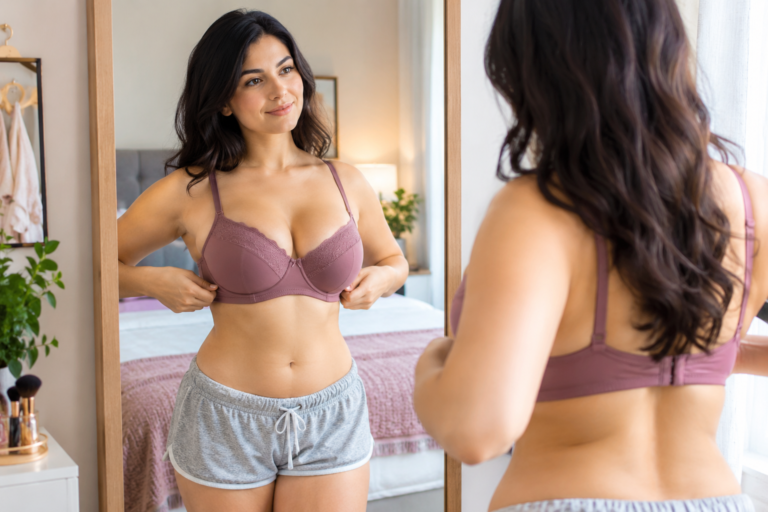
Bra cups gaping or spilling can make an otherwise comfortable bra feel uncomfortable and may be a sign that the fit is not quite right. The cup should comfortably contain your breast tissue without excessive gaps or spilling over the top or sides.
If you notice that your bra cups are gaping or spilling, there may be several possible reasons. The cup size, band size, cup shape, bra style, or even the way the bra is adjusted can affect how the cups fit. Understanding what these signs mean can help you find a more comfortable and supportive bra.
What Does It Mean When Bra Cups Gape or Spill?
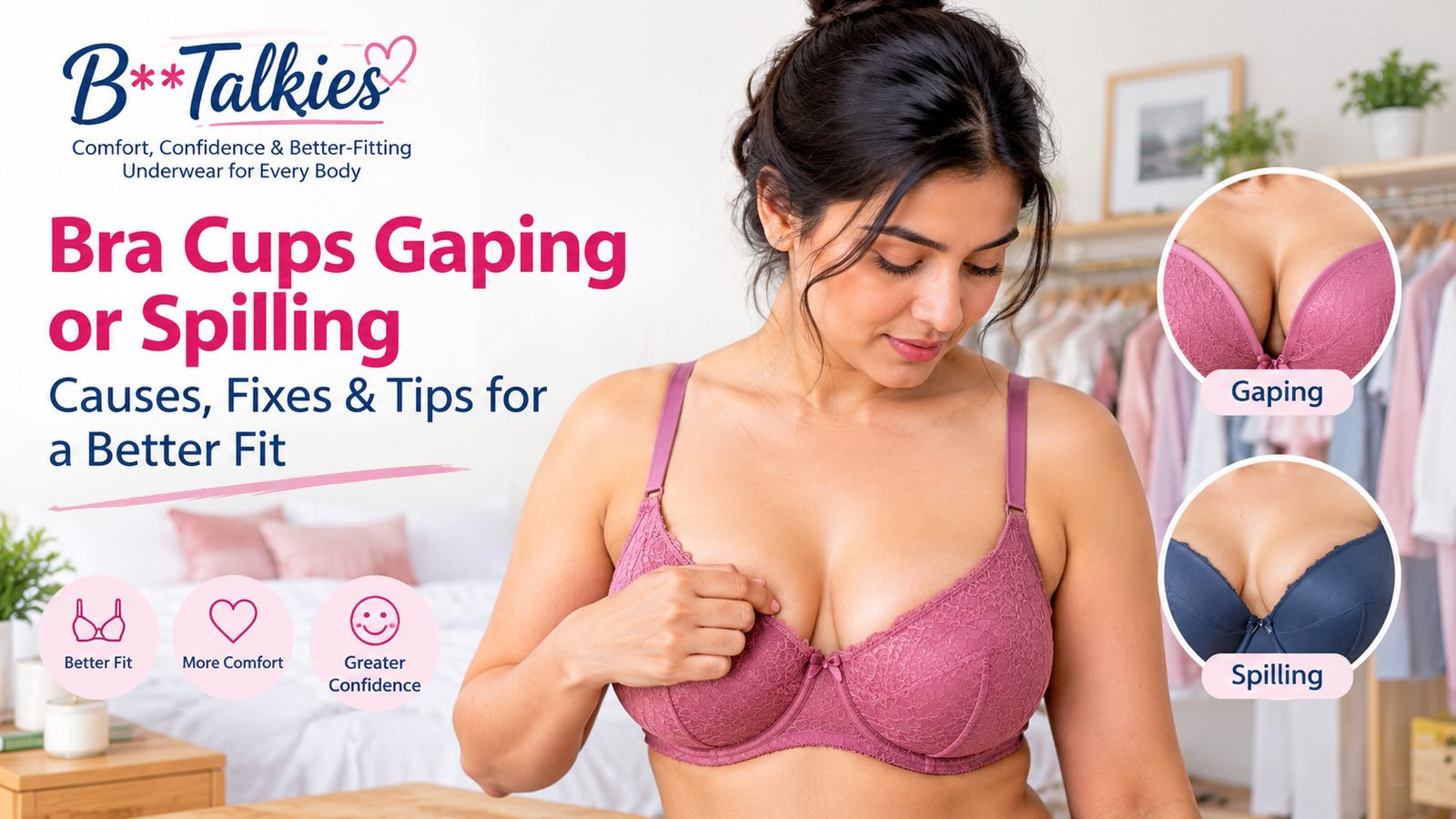
When bra cups gape, there is usually visible space between your breast tissue and the cup. You may notice wrinkles, loose fabric, or a gap near the top of the cup. This can happen when the cup is too large, the cup shape does not match your breast shape, or the bra is not adjusted properly.
When bra cups spill, breast tissue may bulge over the top, sides, or sometimes the center of the cups. This can happen when the cup is too small or when the bra style does not provide enough coverage for your breast shape. Checking the entire fit rather than focusing only on the cup letter can help you understand the problem.
Why Do Bra Cups Gape or Spill?
There are several reasons why bra cups may gape, wrinkle, or spill over. The most common causes include an unsuitable cup size, a band that does not fit properly, differences in breast shape, and choosing a bra style that does not work well with your shape.
1. The Cup Size May Be Too Small
If your breasts are spilling over the top or sides of the cups, the cup may be too small. A cup that is too small can create bulging or pressure and may make the bra feel uncomfortable. Check whether the cup comfortably contains your breast tissue before assuming that the band size is the problem.
2. The Cup Size May Be Too Large
If you notice large gaps, wrinkles, or empty space in the cups, the cup may be too large for your current fit. However, cup gaping does not always mean you need a smaller cup. The shape of the cup and the shape of your breasts can also affect how much space appears.
3. The Band May Not Fit Properly
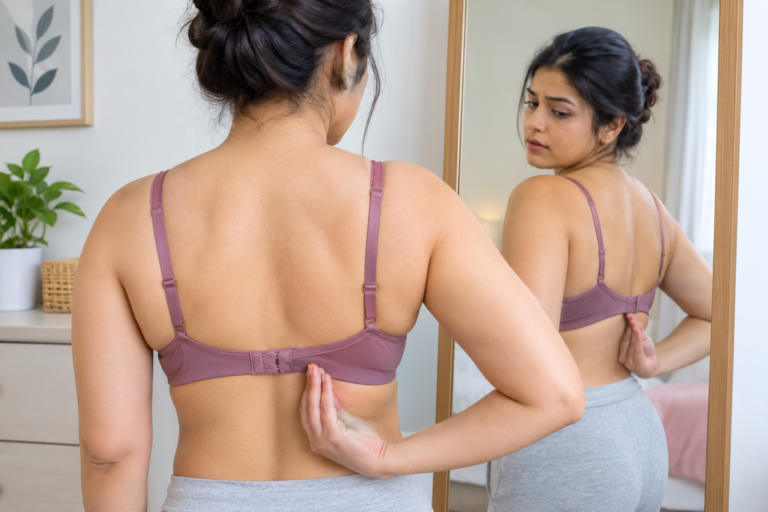
The band and cups work together, so a band that is too loose or too tight can affect how the cups sit. If the band moves around your body, the cups may also shift out of position. Check the band fit before changing the cup size alone.
4. The Bra Shape May Not Suit You
Different bras have different cup shapes, coverage levels, and construction. A cup may gape even when the size is correct if its shape does not match your breast shape. Similarly, a particular style may cause spilling even when another style in the same size fits comfortably.
5. The Bra May Not Be Adjusted Properly
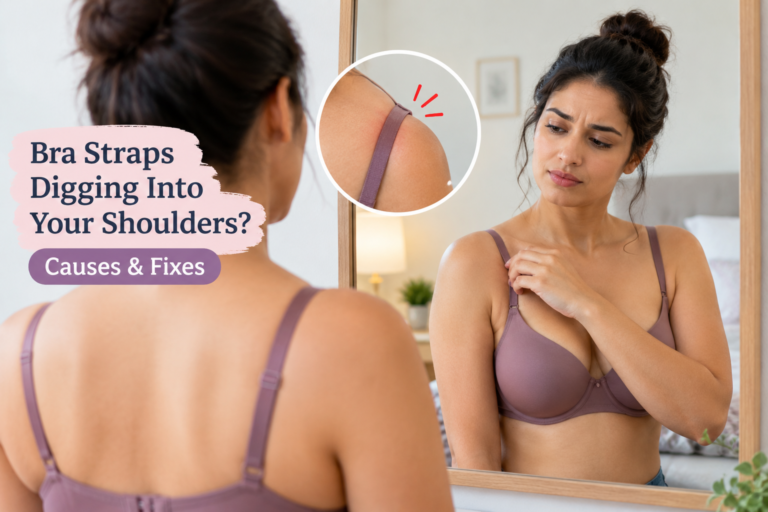
Straps that are too loose or too tight can change the position of the cups. After putting on a bra, adjust the straps so they feel secure without digging into your shoulders. You can also make sure your breast tissue is comfortably positioned inside the cups before checking the final fit.
How to Tell If Your Bra Cups Fit Correctly
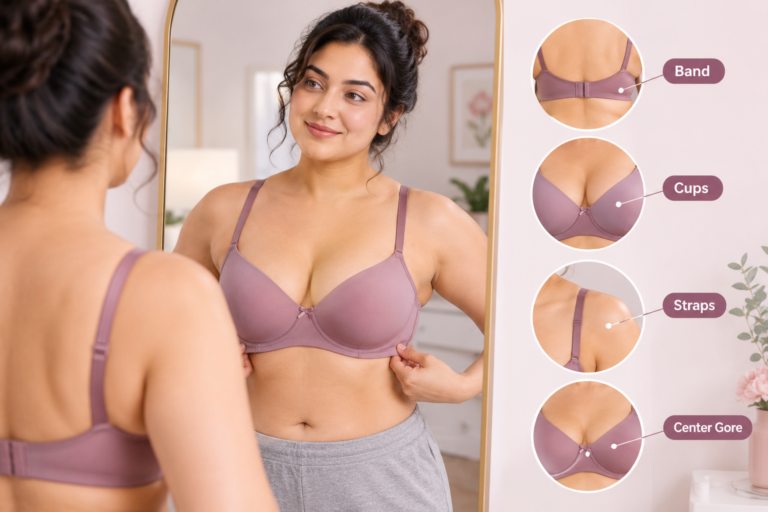
A good cup fit should feel comfortable and provide enough coverage without creating excessive pressure or empty space. You can check several areas of the bra to see whether the cups are fitting properly. Checking whether your bra cups are gaping or spilling can help you identify whether the cup size or shape needs attention.
1. The Cups Contain Your Breast Tissue
Your breast tissue should sit comfortably inside the cups without spilling over the top, sides, or center. The cups should provide enough coverage for the breast shape without feeling excessively tight.
2. There Are No Large Gaps or Wrinkles
The cup fabric should sit reasonably smoothly against your breast without large gaps, wrinkles, or empty areas. A small amount of space can sometimes be related to the shape of the bra rather than the size, so consider the overall fit before changing sizes.
3. The Cup Edge Sits Comfortably
The upper edge of the cup should lie comfortably against your breast without digging in or creating a noticeable line. If the edge cuts into your breast tissue or causes bulging, the cup may be too small or the style may not provide enough coverage.
4. The Underwire, If Present, Sits Around the Breast
If the bra has an underwire, it should sit around the breast tissue rather than directly on it. The wire should follow the natural area underneath and around the breast without pinching or causing painful pressure.
5. The Cups Stay in Place When You Move
A well-fitting cup should remain reasonably secure when you walk, sit, raise your arms, and move normally. If the cups shift, spill over, or develop large gaps during normal movement, the bra may need a different size or style.
What to Do If Your Bra Cups Are Gaping or Spilling
If your bra cups gape or spill, start by checking the overall fit rather than changing the cup size immediately. Look at the band, cups, straps, and bra style together. Small adjustments may improve the fit, while persistent problems may mean you need a different size or style. If your bra cups are gaping or spilling repeatedly, look at the overall fit before deciding to change the cup size.
1. Recheck Your Bra Size
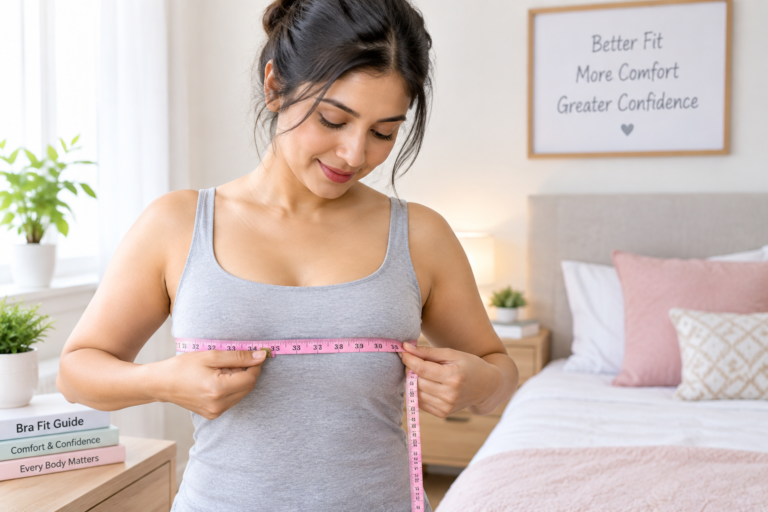
If you notice consistent spilling or large gaps, recheck your band and bust measurements. Use your measurements as a starting point and compare them with the brand’s current size guide. Remember that bra sizing can vary between brands and styles.
2. Check the Band Before Changing the Cup
Make sure the band feels snug and stays reasonably level around your body. A band that is too loose can allow the cups to move out of position, while a band that is too tight may affect overall comfort. Check the band fit together with the cups before deciding what to change.
3. Adjust the Straps
Adjust the straps so they stay comfortably on your shoulders without slipping or digging into your skin. Avoid tightening the straps too much to compensate for a cup or band that does not fit properly.
4. Try a Different Cup Shape
If your measurements seem correct but the cups still gape or spill, the problem may be the shape of the bra rather than the size. Trying a different cup shape, coverage level, or bra style may provide a more comfortable fit.
5. Try a Different Size or Style
If the fit remains uncomfortable after checking your measurements and adjusting the bra, consider trying another size or style. Pay attention to how the bra actually fits and feels rather than relying only on the size printed on the label.
Should You Go Up or Down a Cup Size?
If your bra cups are gaping or spilling, changing the cup size may help, but it is important to understand what the fit problem is first. Spilling usually suggests that the cups may not provide enough room, while gaping can happen because the cups are too large or because the cup shape does not match your breast shape.
If the cups are consistently spilling over the top or sides, you may need to consider a larger cup size or a different bra style. However, do not automatically increase the cup size without checking the band and overall fit.
If the cups have large gaps or wrinkles, a smaller cup may sometimes help, but changing the size alone may not solve the problem. A different cup shape or style may fit better even when the same size is used.
Remember that cup letters do not have exactly the same volume across every band size, and sizing can vary between brands. When changing your band size, check the corresponding cup size as well and use the brand’s size guide as a starting point.
When to Recheck Your Bra Size
Your bra size may change over time as your body changes. Weight changes, pregnancy, breastfeeding, hormonal changes, or other changes in your body can affect how your bra fits.
If your bras suddenly start feeling too tight, too loose, or uncomfortable, it may be worth taking your measurements again. Changes in your body can affect both the band and cup fit, so do not assume that the size you wore previously will always remain the same.
If you are unsure about your measurements, read our guide on How to Measure Your Bra Size at Home: A Simple Step-by-Step Guide. It explains how to measure your band and bust at home and use those measurements as a starting point when checking your bra size.
Final Thoughts
Bra cups that gape or spill can be a sign that the size, shape, or style of the bra is not quite right. Checking the band, cups, straps, and overall comfort together can help you understand what may be causing the problem.
If your bra does not fit comfortably, recheck your measurements and compare them with the brand’s size guide. Remember that the best fit is not determined by the cup letter alone. A comfortable bra should provide appropriate coverage and support while allowing you to move normally without constant adjustment.